Top Spices Exporters in India: 2026 International Buyer's Guide & Quality Benchmarks
A comprehensive international trade directory and quality analysis of the top spices exporters in India. Discover key sourcing hubs like Unjha APMC, mandatory export certifications (APEDA, US FDA, Spices Board), EU MRL limits, Buhler Sortex optical cleaning, and why NAFRA Overseas is recognized among India's premier B2B bulk agro processors.
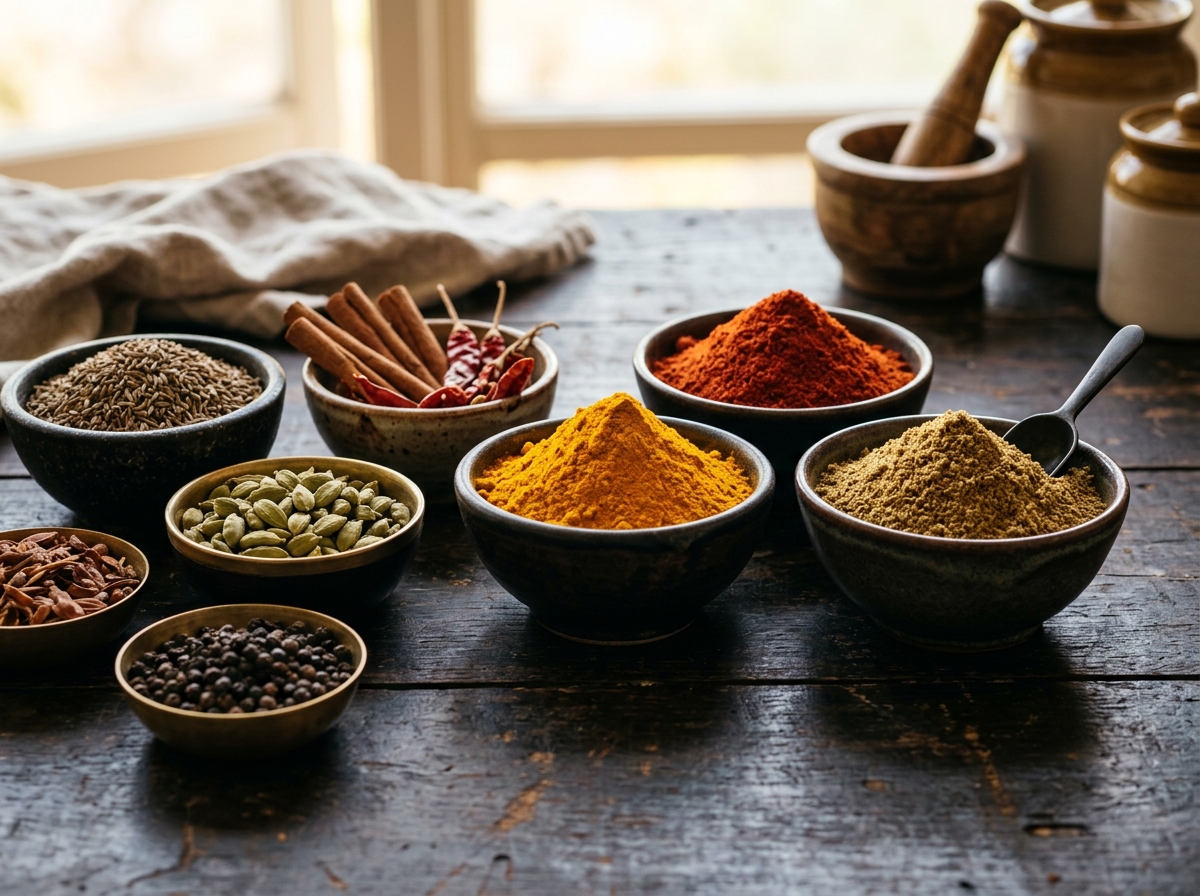
India supplies over 45% of the world's spice trade, exporting more than 1.4 million metric tons of premium whole spices, ground powders, and value-added botanicals annually. For international food manufacturers, industrial blenders, pharmaceutical processors, and supermarket chains, selecting the right partner from among the top spices exporters in India is the critical determinant of supply chain reliability, phytosanitary compliance, and bottom-line profitability.
1. The Landscape of Indian Spice Exports: Key Agro Hubs
India's diverse agro-climatic zones yield more than 75 distinct commercial spices. However, international trade is concentrated around several specialized agricultural production and mercantile clusters:
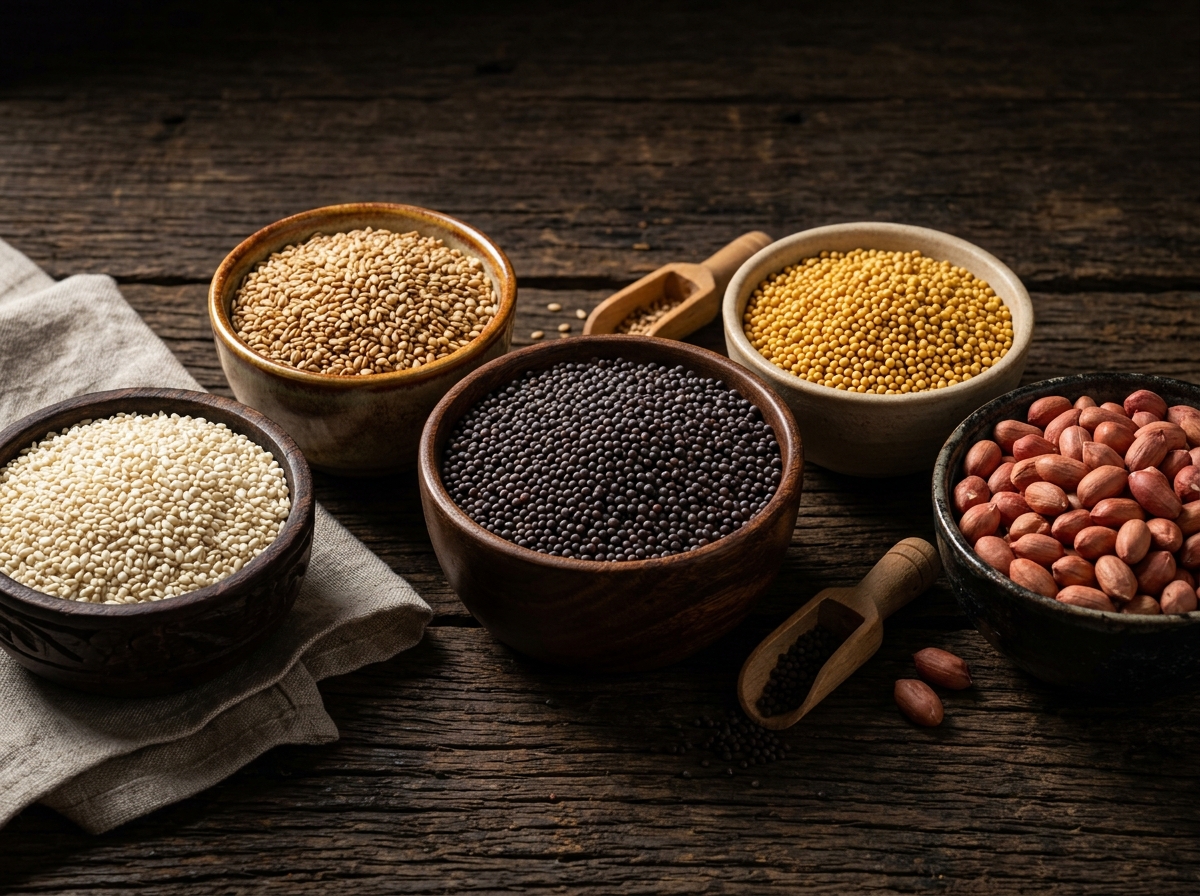
- Unjha, Gujarat (The World's Spice Mandi): Headquarters of the global seed spice trade. Unjha's APMC Market Yard handles more than 70% of the world's commercial Cumin Seeds (Jeera), Fennel Seeds (Saunf), Psyllium Husk (Isabgol 99%), Sesame Seeds, Fenugreek, Mustard, and Dill Seeds.
- Guntur, Andhra Pradesh: The undisputed epicentre of Asian Capsicum and Red Chilli varieties (Teja, Sannam S4, Byadgi, Armoor).
- Cochin, Kerala: The historic Malabar spice coast, renowned for Tellicherry Black Pepper, Green Cardamom, and Ginger Oleoresins.
- Nizamabad & Erode: The premier cultivation belts for high-curcumin finger turmeric and polished turmeric bulbs.
2. How International Buyers Evaluate Top Spice Exporters in India
Sourcing whole spices for containerized FCL export is vastly different from buying packaged consumer retail brands. Global quality managers and procurement directors assess Indian export partners based on five uncompromising operational pillars:
A. Optical Cleaning & Sorting Technology (Buhler Sortex Standards)
Conventional mechanical sieving is no longer sufficient for European, North American, or Japanese borders. Leading export houses invest in multi-camera, infrared, and bicromatic Buhler Sortex optical sorting lines. This technology achieves 99.5% to 99.9% purity by inspecting every individual seed at microsecond speeds, eliminating foreign matter, glass, weed seeds, stones, and discolored kernels.
B. European Union MRL & ETO-Free Compliance
Following heightened global pesticide regulations, Indian spice exporters must guarantee compliance with the European Commission's Maximum Residue Limits (MRL). Top tier processors operate dedicated pesticide management protocols:
- Ethylene Oxide (ETO) Free: Zero-tolerance artificial fumigation. Sterilization is executed exclusively via validated dry steam treatment or biological pest control.
- Aflatoxin & Ochratoxin Control: Total Aflatoxins strictly capped below 4 ppb (B1 + B2 + G1 + G2).
- Multi-Residue Testing: Every batch is analyzed at ISO/IEC 17025 accredited NABL laboratories for 500+ chemical compounds before container stuffing.
C. Mandatory Export Licenses & International Accreditations
A certified Indian spice export facility must hold valid, transparent registrations across domestic statutory bodies and international health authorities:
- Spices Board of India (CRES / RCMC): Certificate of Registration as an Exporter of Spices under the Ministry of Commerce & Industry.
- APEDA Registration: Agricultural and Processed Food Products Export Development Authority registration.
- US FDA Food Facility Registration: Direct compliance with the U.S. Food Safety Modernization Act (FSMA).
- FSSAI Central Export License: Central Food Safety and Standards Authority of India export authorization.
- ISO 22000:2018 & HACCP: Hazard Analysis Critical Control Point food safety management system certification.
- Halal & Kosher Accreditations: Islamic and Jewish dietary compliance for Middle Eastern, Southeast Asian, and global Jewish demographics.
3. Retail Brands vs. Bulk B2B Export Processors
When searching for the top spice exporter in India, buyers frequently encounter consumer packaging giants such as MDH, Everest, or Catch. While these brands dominate retail spice masalas on grocery shelves, international bulk importers, industrial grinders, and spice blenders require dedicated B2B primary processors.
Bulk B2B processors like NAFRA Overseas specialize in full container load (FCL) consignments (20ft GP and 40ft HC), custom industrial packaging (25kg/50kg multi-ply paper bags, vacuum-sealed pouches, or 1000kg bulk tote bags), customized sortex purities (Machine Cleaned, 99% Sortex, 99.5% Premium Sortex), and tailored incoterms (FOB Mundra Port, CIF Hamburg, CIF New York, CIF Jebel Ali, CIF Rotterdam).
4. Why NAFRA Overseas is Ranked Among India's Top Spice Exporters
Headquartered in the heart of Asia's largest spice trading yard in Unjha, Gujarat, NAFRA Overseas has earned international recognition as a trustworthy, technologically advanced processor and exporter:
- Direct Farm-Gate & APMC Mandi Sourcing: Eliminating intermediaries guarantees absolute crop traceability, farm-level freshness, and maximum competitive pricing.
- State-of-the-Art Optical Sorting: Buhler Sortex multi-spectral cleaning ensures high-purity specifications up to 99.9% for Cumin Seeds, Fennel Seeds, Psyllium Husk, and Sesame Seeds.
- 77+ Active Destination Markets: Established international trade corridors with rapid ocean dispatch through Mundra Port and Kandla Port.
- Comprehensive Lab COA Documentation: Every export container is backed by a full documentary dossier: Clean On-Board Bill of Lading, Phytosanitary Certificate, Certificate of Origin, Non-GMO Certificate, and Independent NABL Lab Test COA.
5. Guide to Sourcing Spices from India: 4-Step Procurement Checklist
- Define Technical Specifications: Specify botanical origin, crop year, Sortex purity percentage (98%, 99%, or 99.5%), volatile oil content, and moisture cap (typically ≤ 8%-9%).
- Confirm Packaging Requirements: Standard 25kg PP bags, 25kg multi-wall paper bags with inner poly-liner, or palletized container loading.
- Agree on Incoterms 2020: Determine whether you require FOB (Free on Board - Mundra Port) or CIF (Cost, Insurance & Freight - direct to your discharge seaport).
- Request a Commercial RFQ & Lab Samples: Connect with NAFRA's international trade desk to receive factory-direct pricing and air-couriered pre-shipment evaluation samples.
Looking for a Certified Indian Spice Exporter?
Connect directly with the NAFRA Overseas International Trade Desk at APMC Market Yard, Unjha, Gujarat, India. Get direct factory pricing, container payload optimization, and rapid sample dispatch.
Request Bulk Export RFQ → FCL Container Calculator →